|
|
|







 |
||||
 |
||||
|
|
|
|
|

Background
Natural Gas and CNG
The South Africa government has set a target to make Natural Gas 5% of the energy mix between 2020 and 2030. Its commitment is reflected in the Gas Amendment Bill 2013, which was approved in April 2013. The Departments of Energy and Transport are focusing on Compressed Natural Gas (CNG) as an alternative fuel and a National Climate Change Response mitigation flagship programme.
As international experience shows, CNG is a viable, safe alternative fuel source that offers numerous benefits. It has found a natural home in many countries, particularly those that depend on heavy industry and where the population relies extensively on public transport. CNG is 10% - 40% cheaper than Liquid Petroleum Gas (LPG), diesel, paraffin and heavy fuel oil, depending on the application. Further savings can be achieved by avoiding carbon tax as Natural Gas is deemed a “green energy solution”.
Natural Gas is sourced from gas fields, coal-bed methane, shale gas and bio-gas. The National Gas Infrastructure Development Plan provides a blueprint for future gas market developments, whereby gas supplies on the east and west coasts of South Africa are being explored and developed.
South Africa gets Natural Gas from existing natural gas fields in the southern part of Mozambique, via the 865km Sasol Gas Pipeline. The gas is piped via Temane to Secunda. A Natural Gas high-pressure distribution grid in the greater Johannesburg area (Gauteng Province), connects Pretoria, Johannesburg, and Sasolburg with the Mozambique pipeline. Gas is also transported from Secunda to Durban (KwaZulu-Natal) via Transnet’s gas transmission pipeline, from where it is supplied to customers using the Sasol gas distribution network. At the end of 2013 Sasol announced that it would be increasing the capacity of the pipeline from Mozambique at a cost of R1.98bn to cope with the growing demand for gas.
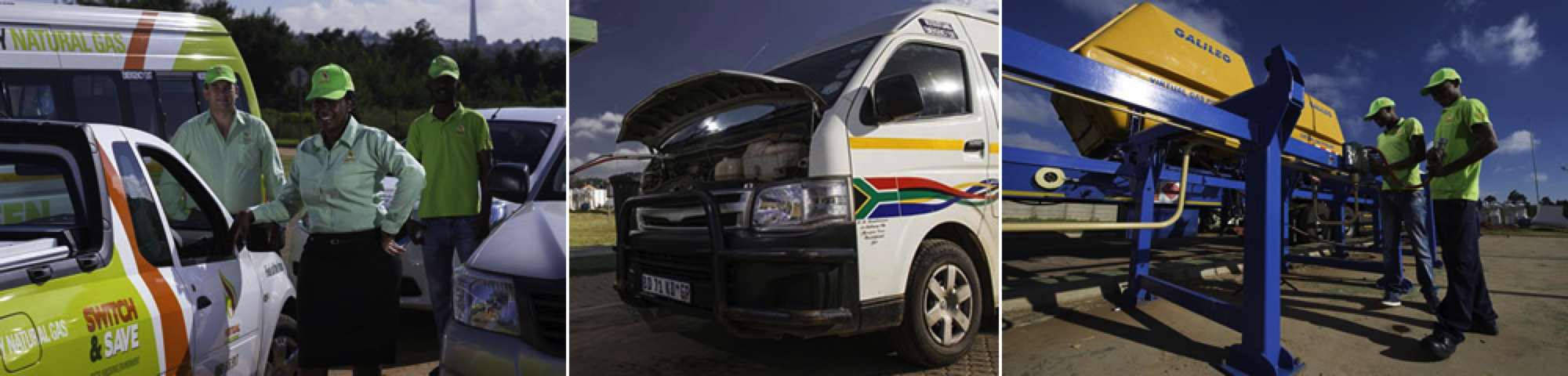
SANEDI, a state-owned entity funded by the Department of Energy, is playing an important role in supporting CNG as a fuel through its research activities. In 2010, it partnered with the Gauteng Department of Roads and Transport to test government fleet vehicles using CNG provided by NGV Gas (Pty) Limited, a subsidiary of CNG Holdings. The pilot in 2010, showed an average of 30% saving in fuel costs and a 25% reduction in greenhouse gas emissions.
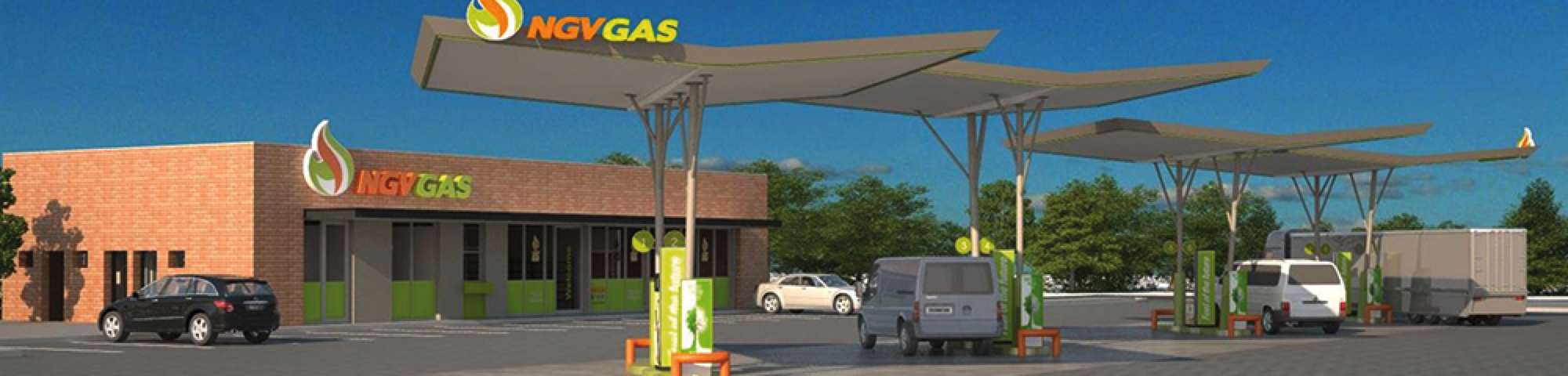
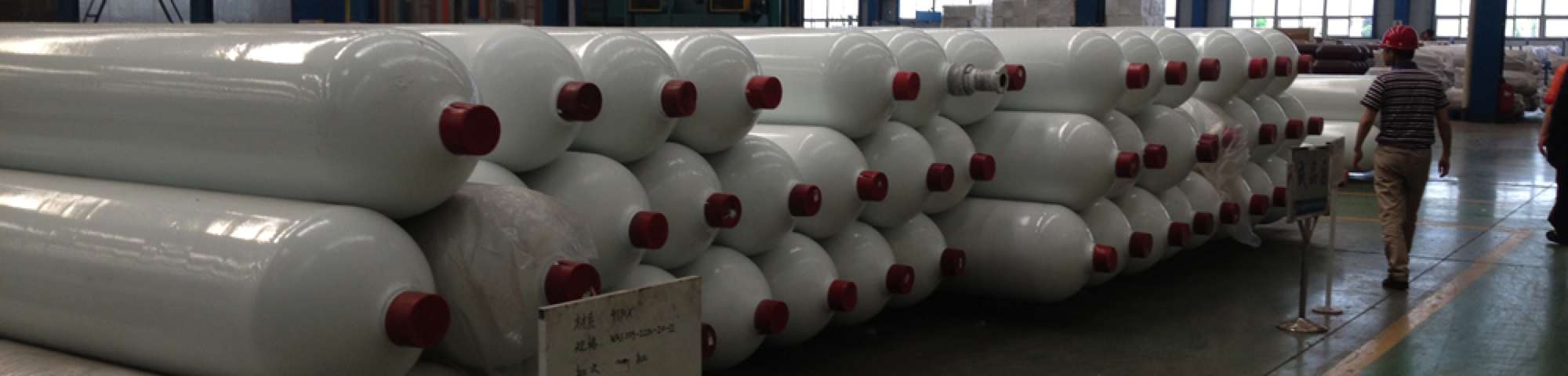
CNG Holdings is able to supply Natural Gas to customers in Compressed Natural Gas (CNG) form (to hold more volume) via special tubes transported on trailers. This innovative modular road transport system safely and economically transports Natural Gas to customers in the industrial and commercial sectors who want an alternative energy source, as well as to customers wishing to set up internal gas distribution networks and power generation systems (such as co-generation and tri-generation projects). The road distribution system also supplies CNG refuelling stations and customers who have no direct access to the existing gas network.
NGV Gas will further provide compression equipment to customers on the gas pipeline so that Natural Gas can be compressed to 200 Bar, thereby creating in-house filling facilities for customers to operate forklifts and their fleet on CNG as an alternative fuel.